Legalising Thai Documents for Use in Vietnam
The current chain for Thai documents going to Vietnam: Thai translation or English version, MFA legalisation in Bangkok and legalisation by the Embassy of Vietnam.
Published 2026-06-28 · Reviewed by the legal and translation team at Thai Law & Accounting · Last reviewed 8 Oct 2026
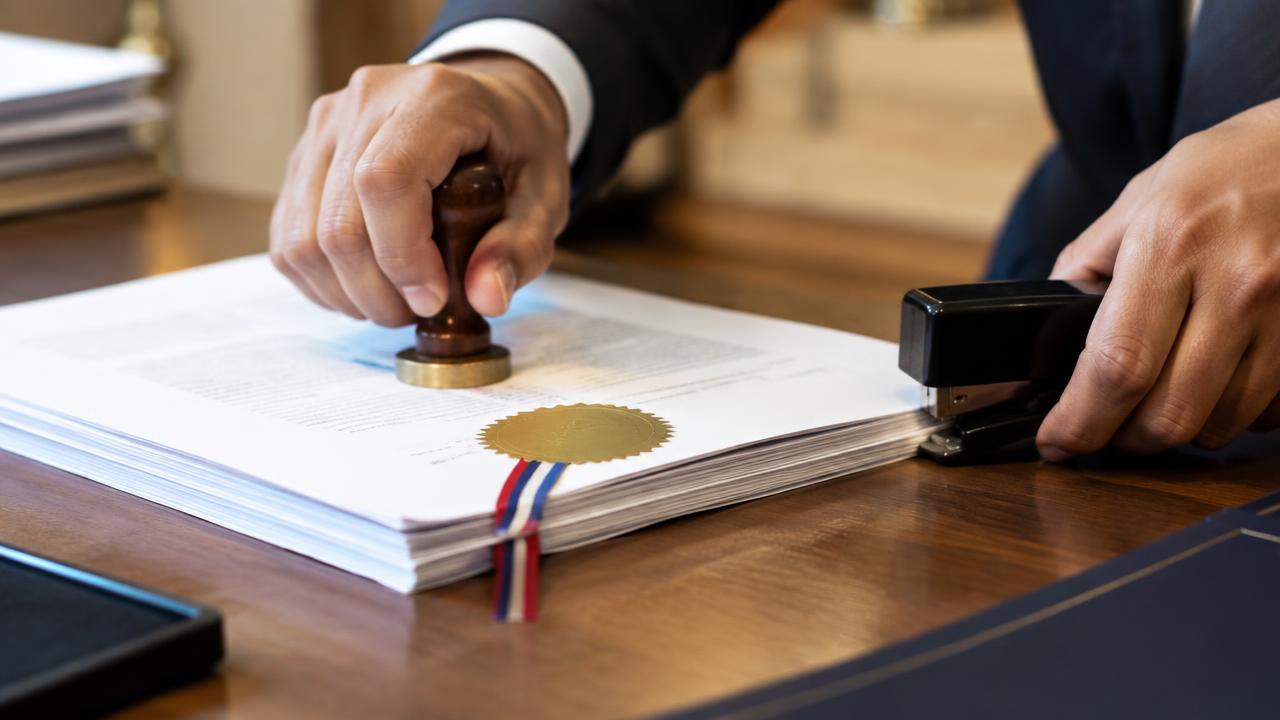
Vietnam is not a party to the Apostille Convention, so a Thai public document going to Vietnam still needs consular legalisation even after the Convention starts applying to Thailand in 2027.
Step by step
- Check which language the Vietnamese authority wants — often a Vietnamese translation done in Vietnam, sometimes English.
- Prepare a certified translation from Thai into English where needed.
- Legalise the document (and translation) at the Department of Consular Affairs in Bangkok.
- Submit the MFA-legalised file to the Embassy of Vietnam in Bangkok for consular legalisation.
Documents we see most often
Company certificates for setting up a branch or subsidiary, degree certificates for work permits in Vietnam, birth and marriage certificates for family matters, and police clearance certificates.
Before you start
Ask the receiving office in Vietnam for its document list in writing. Requirements vary by province and by agency, and a translation done in the wrong language is the most common reason files are rejected.
Frequently asked questions
Will the Apostille replace this process in 2027?
Not for Vietnam. Because Vietnam is not a party to the Convention, consular legalisation remains necessary.
Can I translate into Vietnamese in Thailand?
You can, but many Vietnamese authorities prefer a translation certified in Vietnam. Confirm with the receiving office first.
Sources
- Department of Consular Affairs, Ministry of Foreign Affairs of Thailand — legalisation
- HCCH Apostille Convention — status table (Thailand: in force 28 Feb 2027)
- Embassy of Vietnam in Thailand
General information, not legal advice for your specific case. Requirements change; confirm with the authority concerned.